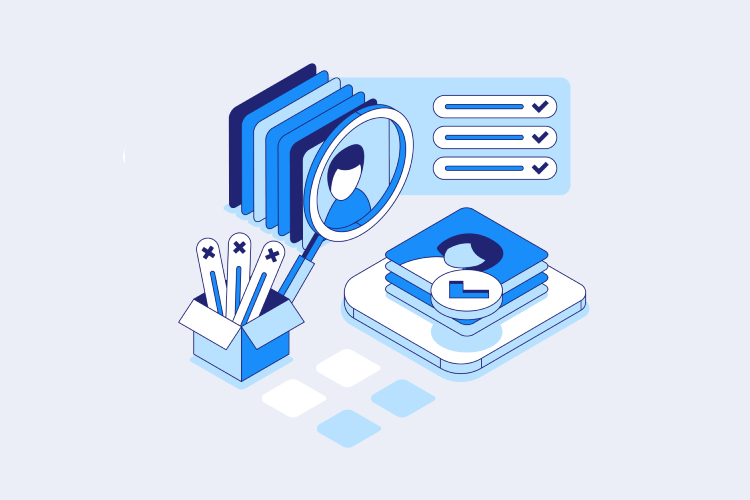
Verification, often called KYC (Know Your Customer), is the identity check a crypto provider carries out before you can buy. It usually involves an official photo ID and often a selfie. Anti-money-laundering rules are the main reason, and details that do not match your ID can stop a purchase.
How does crypto verification work?
Verification checks that you are who you say you are. It compares your name and date of birth with an official photo ID. Online, it often matches a selfie or short video with the ID photo.
The main reason is anti-money-laundering (AML) rules. As of September 2026, the Financial Action Task Force (FATF), the global AML standard-setter, says crypto providers should run the same customer checks as banks and other financial institutions. Details vary by country: see KYC and AML in crypto.
What is an example of a failed check?
An illustrative case: your ID shows your full legal name, but you pay with a family member’s card. The card cannot be matched to the person who was verified, so the check or the payment can fail. Use your legal name, a card or bank account in your own name, and clear photos of the original ID.
Why does verification matter when you buy crypto?
You usually need to pass verification before you can buy crypto with a card or bank transfer. On Coinmama, you verify your identity before you buy. You’ll be told exactly what is needed. See Coinmama’s verification help articles.
Verification is about who you are. Crypto is delivered to the wallet address you provide, so check the wallet address yourself before you buy crypto on Coinmama.
What are the risks and red flags?
The main risk is handing your ID to a scammer.
- Fake verification requests. A link asking you to “verify your account” is a classic phishing trick. Open the site yourself.
- ID requests by email or chat. Never send your ID to anyone who contacts you, even someone claiming to be from Coinmama. Learn to spot Coinmama employee impersonators.
- Verifying for someone else. Never verify an account for another person or let anyone use yours: it is tied to your identity.
Go deeper: see where verification fits in our guide on how to buy crypto.