

Ethereum
Learn what Ethereum is and how it works. Ethereum is a public blockchain that runs smart contracts, and ether (ETH) is its native cryptocurrency, used to pay network fees called gas. These guides explain how Ethereum differs from Bitcoin, how the network replaced mining with proof of stake in 2022, how to hold ETH in a wallet and what to check before you buy. Crypto prices can fall sharply, so read about the risks first.
Start here


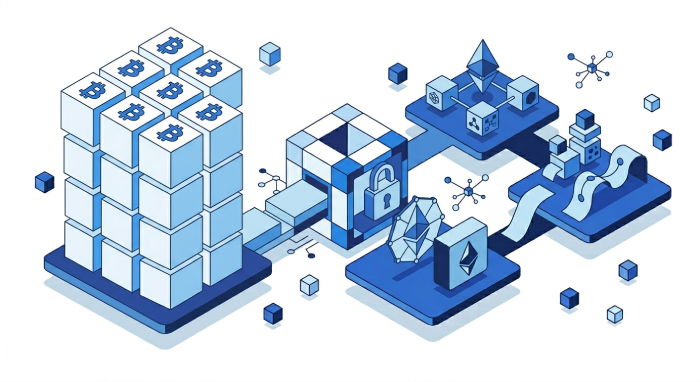
How do you hold and send ETH?
ETH is held at an Ethereum address that your wallet controls. Check the address and the network before every transfer, because blockchain transactions cannot be reversed.

What is built on Ethereum?
Developers use Ethereum's smart contracts to build apps for lending, trading and digital collectibles. These apps add risks of their own, such as bugs in contract code.

How does Ethereum confirm transactions?
Since the Merge on 15 September 2022, Ethereum has used proof of stake, so validators rather than miners confirm new blocks. This guide explains how proof of stake works.

Key terms
- Gas Gas is the fee paid to process a transaction or run a smart contract on Ethereum, priced in gwei and paid in ETH.
- ERC-20 (Ethereum Request for Comments 20) ERC-20 is the technical standard most tokens on Ethereum follow, setting the functions every token must offer so wallets and apps can handle them alike.
- Address A crypto address is a string of letters and numbers, like an account number, that identifies where coins should be sent on a specific blockchain.
Frequently asked questions
What is Ethereum?
Ethereum is a public blockchain that runs smart contracts: programs that power apps without a central operator. Its native cryptocurrency is ether (ETH). The network launched on 30 July 2015.
What is the difference between Ethereum and ETH?
Ethereum is the network, and ether (ETH) is its native cryptocurrency. ETH pays the transaction fees, called gas, for using the network and the apps built on it, and it can be held or sent like other crypto.
What are gas fees on Ethereum?
Gas fees are what you pay to have a transaction processed on Ethereum. They are paid in ETH and change with demand: when the network is busy, the same transfer can cost more.
Is Ethereum still mined?
No. Ethereum stopped using mining on 15 September 2022, in an upgrade known as the Merge. Since then, the network has been secured by validators under a system called proof of stake.
How is Ethereum different from Bitcoin?
Both are public blockchains, but they were built for different jobs. Bitcoin is designed as digital money with a fixed limit of 21 million coins. Ethereum is designed to run smart contracts and the apps built on them.